The setup at a glance
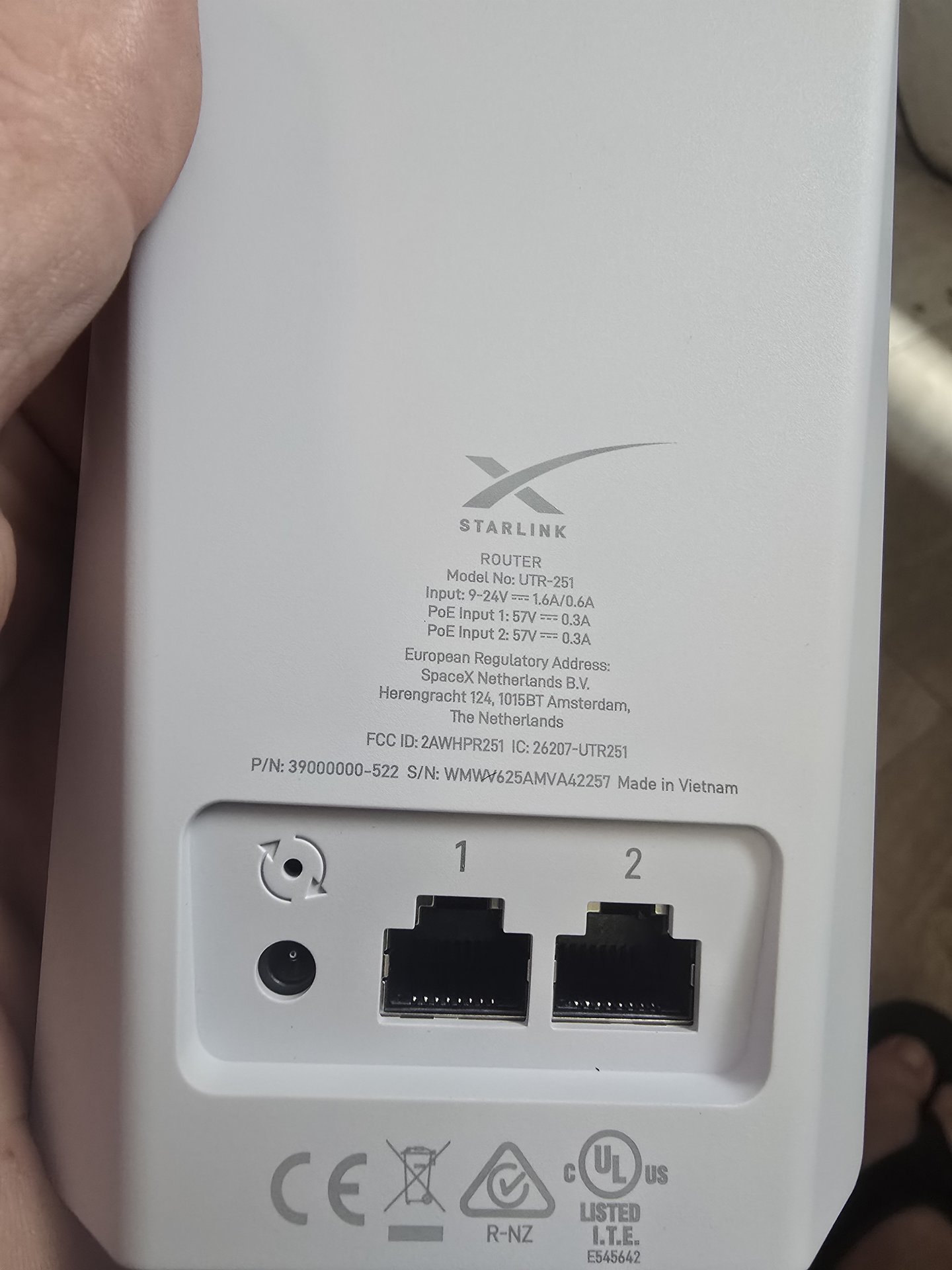
Two small boxes do the work: a 48–57V PoE injector and Starlink's compact UTR-251 router. The dish rides the router's PoE. Because everything runs on DC, the battery feeds it directly.
How the power flows
The chain is short and all-DC:
48V LiFePO₄ battery → ING-G3 PoE injector (48–57V in) → 57V PoE up the Ethernet → UTR-251 router → dish.
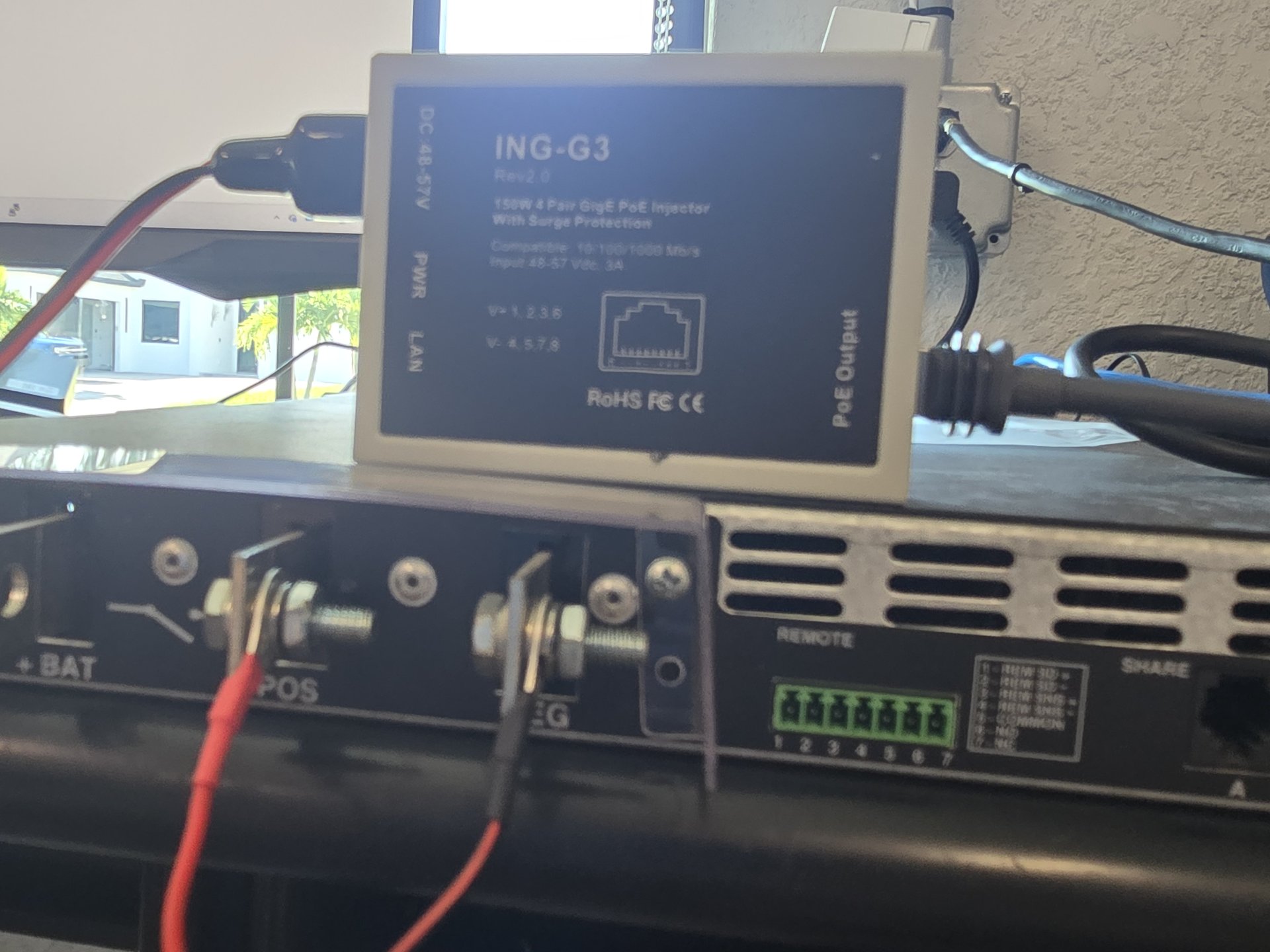
The ING-G3 is a 150W, 4-pair gigabit PoE injector with surge protection. Its input range is 48–57 Vdc, which lands right on a working 48V LiFePO₄ bus (~54V) — so in most of the battery's range it takes the DC directly and injects a clean 57V PoE, no extra conversion.
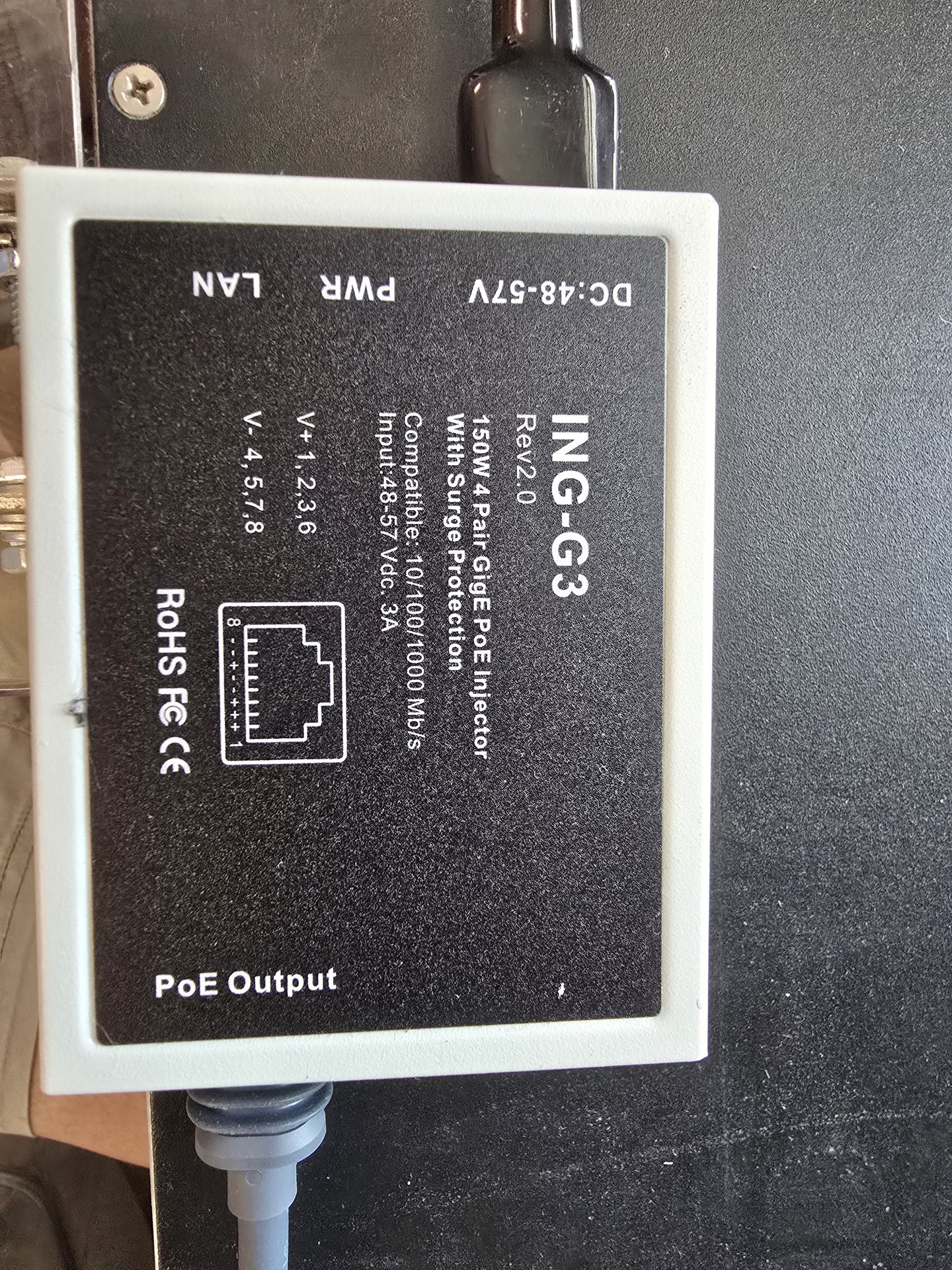
1,2,3,6 / V− on 4,5,7,8.The voltage window
A 16S "48V" LiFePO₄ pack swings from about 40V (cutoff) to 57.6V (full charge), floating around 54V in normal use. The ING-G3's 48–57V input covers almost all of that range directly.
Wiring & polarity
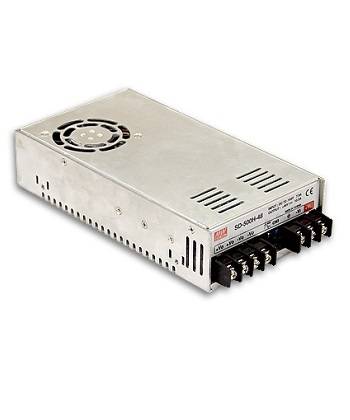
Land the battery on the injector's DC input observing polarity, and fuse it on the battery side. The ING-G3 puts power on pairs 1,2,3,6 (V+) and 4,5,7,8 (V−) — standard 4-pair passive PoE — so use all-8-conductor cable rated for the run. Keep the PoE run within gigabit distance and use outdoor-rated cable with proper grounding/surge protection on a tower.
Related guides
- Power Starlink From a Battery — main guide
- Starlink Mini on 12V
- Starlink Gen 3 power draw & battery sizing
- Starlink vs a local WISP or fiber
- Get a free month (referral)
Setting up a new Starlink? Grab a free month.
New customers get one month of service free through our referral — applied to the second month.
See the Free-Month Offer →